


When buyers tell me they want a home on Lake Simcoe, they’re usually thinking about the view, the water and what life could look like there. And I get it. That’s the appeal.
But buying or selling waterfront is a little different from a typical residential deal. There are a few more things to look at, a few more questions to ask and some details that can make a real difference from one property to the next.
The good news is, once you know what matters, it becomes a lot easier to focus on the part everyone gets excited about in the first place, finding the right property and enjoying life on the water.
Waterfront Is Not One Size Fits All
One of the first things I tell people about waterfront is that no two properties are exactly alike.
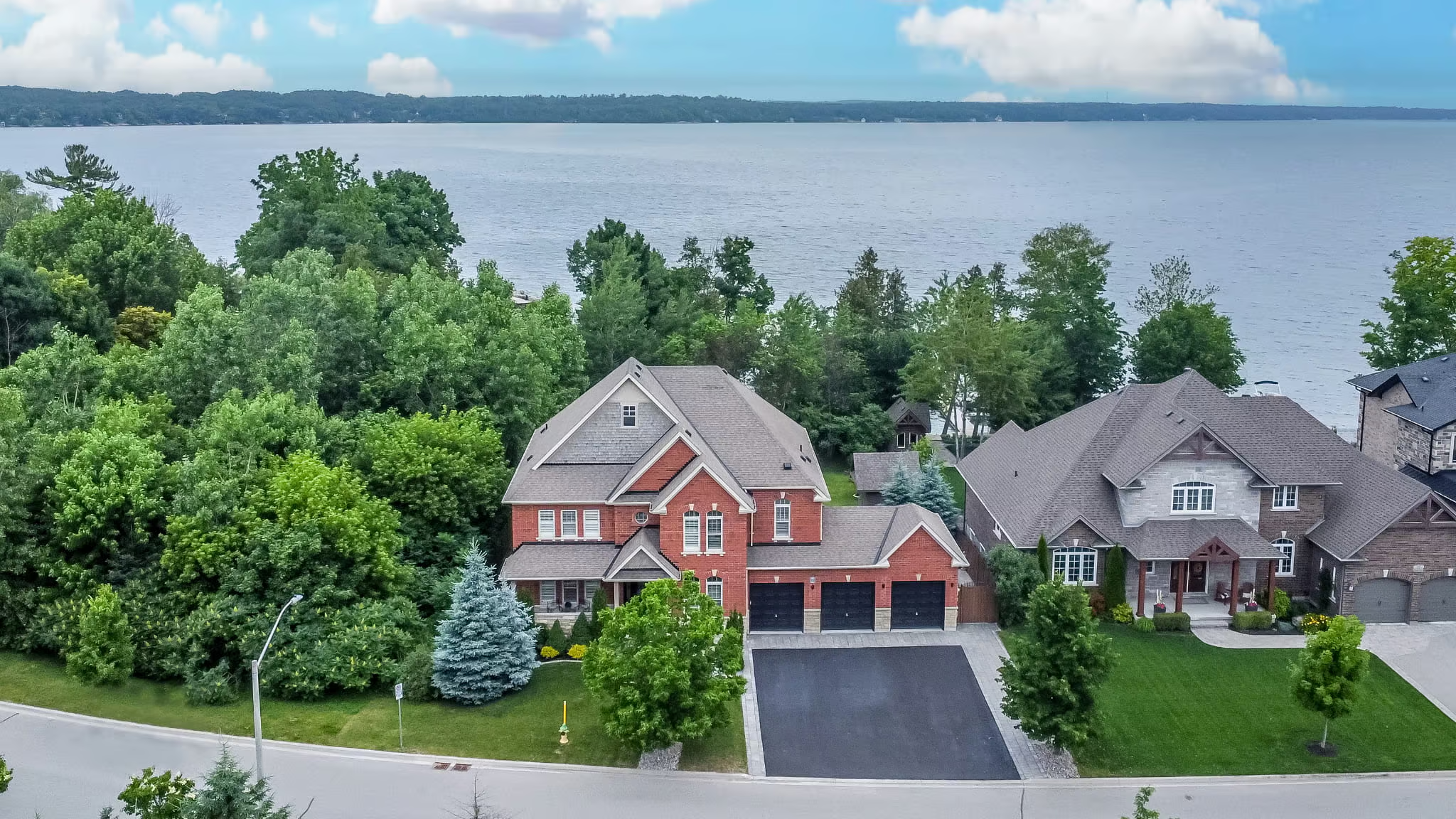
Two homes can be on the same stretch of shoreline and still feel completely different once you are standing there. One may have easier access into the water, another may sit higher above the shoreline, and things like frontage, exposure, water depth and the type of shoreline can all change how the property is used.
That is why I always look beyond the house itself when I am looking at waterfront.
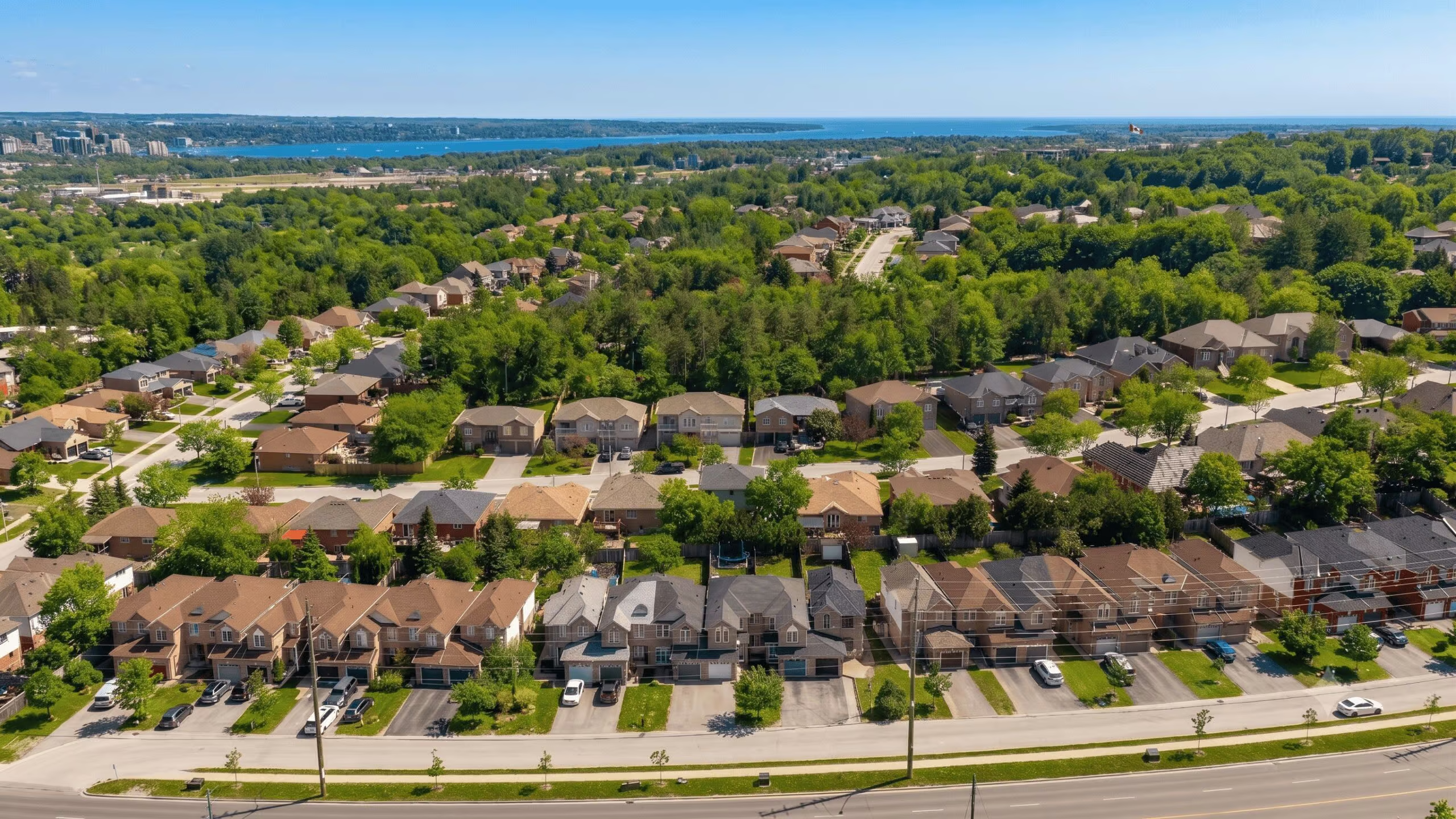
Barrie’s waterfront is also very different from a more remote seasonal cottage market. Depending on where you are around the lake, you can still be close to established neighbourhoods, shopping, commuter routes, downtown amenities and municipal services.
For a lot of buyers, that is a big part of the draw. You get the water and the lifestyle without necessarily feeling like you are far away from everything else.
What I Tell Buyers To Look At
When I’m working with someone considering waterfront, I always encourage them to spend just as much time looking at the property as they do the house.
What is the shoreline like? How do you access the water? How high does the property sit? How exposed is it to wind and waves? Are there docks, seawalls, retaining walls or boathouses already there?
Those things can affect how you use the property and what you may want to do with it in the future.
If there are shoreline structures already in place, it is also worth understanding what has been done and whether any required approvals are in place.
It is not about looking for problems. It is about knowing exactly what you are buying.
Know What You Can And Cannot Change
This is especially important if you already have renovation ideas or plans for the shoreline.
The Lake Simcoe Region Conservation Authority, or LSRCA, regulates development in certain shoreline, floodplain, wetland and hazardous areas around Lake Simcoe. Depending on the property and what you are planning, permission may be required for things like a dock, boathouse, seawall, addition or grading near the water.
So if there is something you already know you would like to change, ask the question early.
And do not assume that because the property next door has a certain dock, shoreline treatment or addition, you will automatically be able to do the same thing.
Waterfront can be very property-specific.
What About Flooding And Erosion
This is one of those topics that can sound more intimidating than it needs to.
What you really want to do is understand the shoreline you are buying.
The LSRCA provides shoreline hazard information and may issue flood or erosion notices when conditions warrant it. Elevation, drainage, wave exposure and shoreline condition can all vary from one property to another.
That does not mean every waterfront property has an issue. It means you look at the actual property, understand what you are dealing with and get professional advice where it makes sense.
I would also not automatically look at a natural shoreline as a negative. Natural vegetation and shoreline buffers can help stabilize the shoreline, reduce erosion and filter runoff.
Sometimes what looks a little less manicured is actually doing exactly what it is supposed to do.
Financing And Insurance Are Worth Discussing Early
Depending on the property, a lender or insurance provider may want a little more information before confirming what applies.
They may ask about things like shoreline conditions, flood-zone status, elevation or whether the property is seasonal or suitable for year-round use.
That does not mean financing or insuring waterfront is automatically difficult. It just means I would rather have those conversations early.
If you are seriously considering a property, talk to your mortgage broker, lender and insurance provider about that specific home so you know where you stand before you get too far into the process.
Sellers Need To Tell The Whole Story
If you are selling waterfront, summer is usually the easy part.
The dock, the view, the boating, swimming and time spent outside are the things people picture right away.
But if the property works well throughout the rest of the year, buyers should understand that too.
If you have documentation for shoreline work, permits or approvals for existing structures, maintenance information or details about the property’s systems, have it ready. The more buyers understand about the property, the easier it is for them to see what they are actually considering.
I would also think about what makes your particular waterfront different.
How much frontage do you have? What is the entry into the water like? How deep is it? What direction does the property face? Is the shoreline natural or engineered? How close are you to Barrie or other amenities?
Those things are all part of what someone is buying.
Pricing Waterfront Takes More Than Looking At The House Next Door
This is where waterfront can get interesting.
It is easy to look at a property nearby that sold and think that tells you what your home is worth, but it is only part of the picture.
Two waterfront properties can have different frontage, water access, elevation, shoreline conditions, services and exposure, and those differences can affect how they compare.
That is why I look at the whole property when I am evaluating waterfront, not just the house and the square footage.
The important question is not just what another property sold for. It is why it sold for that amount and how it actually compares to yours.
The Bottom Line
There are a few extra things to think about when you’re buying or selling on Lake Simcoe, but that comes with waterfront. You want to understand the property, ask the right questions and know what you’re dealing with.
At the same time, you cannot lose sight of why people want waterfront in the first place. Being able to walk out your door and see the lake, spend more time outside and enjoy the property in every season is a pretty special way to live.
I’ve been working in this market since 2003, and I’ve seen firsthand how different one waterfront property can be from the next. If you’re thinking about buying or selling on Lake Simcoe, let’s talk about the property, what you’re hoping to do and what the next step looks like from here.


Speak to An Agent
Whether You’re Buying Or Selling, We Can Help.