


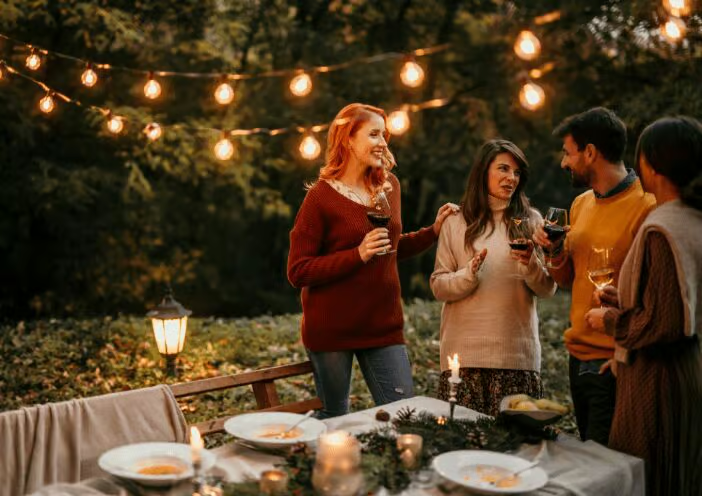
Creating Backyards That Feel Like Home
The backyard is no longer just a place for a patio set and a barbecue. In 2026, outdoor spaces are becoming fully realized extensions of the home, designed with the same attention to comfort, style, and functionality as interior living spaces. From resort-inspired retreats and outdoor kitchens to climate-conscious landscaping and smart technology, homeowners are rethinking what a yard should do, not just how it should look.

The result is a clear shift toward outdoor spaces that are resilient, low-maintenance, deeply personal, and increasingly multifunctional.
Earth Tones, Warm Colour Palettes, and Organic Landscaping
Much like interior design, outdoor spaces are moving away from stark minimalism and cool greys in favour of warmer, nature-inspired palettes. Shades of terracotta, olive green, beige, cream, soft clay, deep jewel tones, and warm coastal browns are creating inviting outdoor environments that feel grounded and timeless.

Beyond colour, landscaping itself is becoming softer and more organic. Curved garden beds, winding pathways, natural stone finishes, and layered plantings are replacing rigid lines and formal layouts. Homeowners are incorporating a variety of textures through grasses, shrubs, perennials, and hardscaping materials to create depth and visual interest. The result is an outdoor space that feels more natural, relaxed, and connected to the surrounding landscape.

Sustainability Takes Centre Stage
Environmental awareness continues to be one of the biggest drivers in outdoor design, but in 2026, the focus is on practical sustainability. Homeowners are looking for solutions that are environmentally responsible while also reducing maintenance and improving long-term performance.
Native plants are becoming increasingly popular thanks to their ability to thrive in local conditions while supporting pollinators like bees and butterflies. Layered garden beds filled with hardy grasses, shrubs, coneflowers, black-eyed Susans, and serviceberries create beautiful landscapes that require less watering, fertilizing, and upkeep. Water-conscious features such as drip irrigation systems, rain gardens, and mulching help conserve resources while keeping landscapes healthy through dry periods.

Climate resilience is also influencing material choices. Composite decking, natural stone, concrete, reclaimed wood, and permeable pavers are being selected for their durability and ability to withstand Canadian weather conditions. Local materials are also being prioritized where possible to reduce transport emissions.
Another emerging trend is the rise of edible landscapes. Homeowners are integrating herbs, fruits, vegetables, and dwarf fruit trees directly into ornamental garden beds. The result is a landscape that is both beautiful and productive, blending function with visual appeal.

The Rise of the Micro-Resort Backyard
One of the most exciting trends for 2026 is the concept of “micro-resort living.” Homeowners are transforming their backyards into private retreats designed for relaxation, wellness, and entertaining.

Comfortable lounge seating, layered textiles, ambient lighting, bold fire features, water elements, and lush greenery all work together to create a vacation-like atmosphere at home. Outdoor living rooms have become a key component of these spaces, with clearly defined areas for conversation, lounging, dining, and unwinding.

Many homeowners are also incorporating wellness-focused features such as hot tubs, cold plunges, cedar saunas, yoga spaces, and quiet reading nooks. Natural privacy screens, living fences, and thoughtful landscaping help create a sense of seclusion, making the backyard feel like a true escape from the demands of everyday life.

Outdoor Kitchens Become a Backyard Essential
Outdoor kitchens continue to grow in popularity as homeowners seek ways to make entertaining easier and more enjoyable. What was once considered a luxury feature is quickly becoming a staple of modern backyard design.

Today’s outdoor kitchens often include built-in barbecues, prep counters, sinks, beverage fridges, storage solutions, cooktops, and pizza ovens. By bringing cooking, dining, and entertaining together in one cohesive space, outdoor kitchens reduce trips back and forth to the house and create a more social experience for hosts and guests alike.
Whether incorporated into a large entertaining area or designed to fit a compact yard, outdoor kitchens are helping homeowners get more use out of their outdoor spaces throughout the warmer months.

Smart Technology Moves Outdoors
Technology is making outdoor living more convenient than ever. In 2026, smart features are seamlessly integrating into backyard design to enhance comfort, efficiency, and usability.
Smart irrigation systems can automatically adjust watering schedules based on weather conditions, helping conserve water while maintaining healthy landscapes. Programmable outdoor lighting allows homeowners to create customized scenes for entertaining, relaxing, or improving security. Fully weather-sealed speakers, built-in charging stations, and integrated power outlets are also becoming increasingly common.

The goal isn’t to make outdoor spaces feel overly technical, but rather to use technology in ways that improve the overall experience while remaining largely invisible within the design.

Maximizing Small Yard Potential
Not every homeowner has a sprawling backyard, but that doesn’t mean smaller outdoor spaces can’t make a big impact. In fact, one of the strongest design trends for 2026 is finding creative ways to maximize every square foot.
Multi-level decks, tiered gardens, and raised platforms help create distinct zones while adding visual interest and functionality. Vertical gardening solutions such as trellises, living walls, and hanging planters make use of underutilized space while introducing additional greenery.

Privacy is another major consideration for smaller lots. Natural screening through layered plantings, hedges, ornamental grasses, and living fences helps create a sense of enclosure without making the space feel closed in. Multi-functional furniture, storage benches, slim-profile seating, and cohesive design palettes further enhance usability while maintaining an open, uncluttered feel.

Fun Zones for Every Member of the Family
Backyards are increasingly being designed with entertainment and interaction in mind. Homeowners want spaces that support everything from family gatherings and children’s playtime to casual evenings with friends.

Dedicated activity zones are becoming more common, featuring lawn games such as cornhole, bocce, and putting greens. Outdoor movie setups, complete with projectors and cozy seating, are helping families enjoy summer evenings under the stars. Fire pit gathering areas continue to be popular for extending outdoor enjoyment long after sunset.
Designers are also paying closer attention to creating spaces that accommodate pets and children. Durable materials, pet-friendly landscaping, open play areas, and thoughtful layouts help ensure the backyard is both beautiful and functional for everyday life.

Looking Ahead: A More Human and Connected Outdoor Future
The defining idea behind 2026 outdoor design is balance: between nature and technology, beauty and practicality, and wellness and function.

Backyards are becoming deeply personal ecosystems. They reflect how people live, what they value, and how they want to feel in their everyday environment. Whether through sustainable landscaping, resort-inspired relaxation zones, outdoor kitchens, smart technology, or family-friendly entertainment areas, the goal is the same: to create outdoor environments that are easier to maintain, more meaningful to use, and more connected to the natural world.
In many ways, the modern backyard is no longer just part of the home – it is the home, extended outward.

Speak to An Agent
Whether You’re Buying Or Selling, We Can Help.