

The Ultimate Budget-Friendly Guide
As winter sets in, heating bills can quickly put pressure on your household budget. That’s why focusing on winter money and energy saving tips is essential. With a few smart habits and thoughtful upgrades, you can stay warm, make your home more energy-efficient, and ultimately lower your heating costs. Beyond saving on utilities, using energy wisely also reduces your environmental impact, making it a win for both you and the planet. From easy daily changes to long-term improvements, these tips will help you save money all winter while keeping your home cozy and comfortable.

Let the Sun Warm Your Home for Free
Harnessing natural sunlight is one of the easiest and most cost-effective ways to save on heating bills. Open south-facing curtains during the day to let the sun’s warmth fill your home, and close them at night to keep the heat in. Even in places like Simcoe County, where winter days can be overcast and snowy, this still makes a difference as thermal energy continues to come through the cloud cover. Over the winter, this simple habit can lower your heating bills by up to 10%.

For long-term planning, consider planting deciduous trees near south-facing windows. They allow sunlight in during winter and provide cooling shade in summer, helping you save all year.

Seal Drafts and Stop Heat Loss
Drafty doors, window frames, and even electrical outlets are among the biggest culprits of wasted energy in our homes. Even small gaps can let valuable warmth escape, driving up heating costs. In Canada, windows alone account for roughly 10 – 25% of a home’s total heat loss during winter, making it clear that sealing these leaks is a simple, low-cost project that’s well worth the effort.
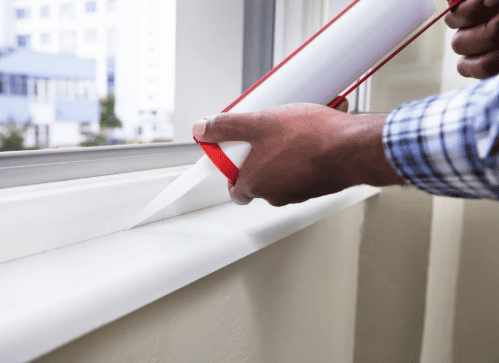
Tips to draft-proof your home:
- Apply weatherstripping to doors and windows.
- Use caulking for gaps around frames, chimneys, and pipes.
- Install foam gaskets for outlets and light switches.
- Consider heavy-duty, thermal, or insulated curtains for added warmth, and ensure they hang close to the window with good contact on the windowsill or floor.
Bonus Tip: Not sure if your home has drafts? Here’s an easy DIY test. First, shut all windows and doors, turn off fans and heaters, and close any fireplace dampers to minimize airflow. Then hold a sheet of tissue along the edges of windows, doors, outlets, and switches – if it flutters, you’ve found a draft. You can also use a lit candle or a match in the same way.
Smart Thermostat Tips to Lower Heating Bills
Lowering your thermostat by just 2 – 3°C while you’re asleep or away can significantly cut energy use without sacrificing comfort. Over the course of the winter, these small adjustments can make a noticeable difference on your heating bills.
Programmable and smart thermostats make this effortless by automatically adjusting temperatures based on your routine, ensuring your home stays warm when you need it and conserves energy when you don’t.
Smart thermostat advantages:
- Learns your daily routine and preferences to optimize heating automatically.
- Reduces wasted energy without compromising comfort.
- It can pay for itself in just a couple of years through savings.
- Allows you to control your home’s temperature remotely using your phone, tablet, or computer.
- Some models include advanced features like occupancy sensors that detect when rooms are empty, peak demand management to reduce energy use during high-cost hours, and maintenance alerts that help keep your HVAC system running efficiently.

For households with pets or heat pumps, make sure your thermostat settings remain moderate to keep everyone comfortable.
Maintain Your Heating System for Maximum Efficiency
Like a car, your home heating system performs best with regular maintenance. Proper care improves efficiency, prevents costly repairs, and extends equipment lifespan.

Maintenance tips for energy-efficient home heating:
- Clean or replace furnace filters regularly. The type and thickness of your filter will guide how often a replacement is needed, but checking monthly is a smart habit to build, as a dirty filter can restrict airflow and reduce system performance.
- Schedule annual inspections for furnaces, heat pumps, or boilers.
- Check ductwork for leaks, dust buildup, or rust.
- Keep fireplace dampers closed when not in use, and consider tempered glass doors or heat-air exchange systems to recirculate warm air.
Simple Daily Habits to Save Energy This Winter
Making some small, low-effort changes can add up to significant savings over the winter while keeping your home cozy:
- Dress warmly indoors: Wear layers, socks, and use blankets so you can comfortably lower the thermostat.
- Cook smart: Using your oven or stove not only saves on takeout but also warms your kitchen naturally. Leave the oven door slightly open after baking to really let the heat circulate. For smaller meals, consider energy-efficient alternatives like slow cookers or toaster ovens, which use less power while still helping to heat your space.
- Wash laundry in cold water & full loads: Heating water accounts for the majority of energy used in laundry, often up to 90%. By washing clothes in cold water and running full loads, you can significantly reduce your laundry energy use.
- Unplug electronics: Many devices draw power even when off. A quick unplug can prevent this ‘phantom’ energy loss.
- Keep vents clear: Ensure furniture doesn’t block airflow for more effective heating.
- Close off unused spaces: Shut doors and vents in rooms that aren’t regularly used to prevent unnecessary heating.
- Reverse ceiling fans: Running fans clockwise at low speed pushes warm air from the ceiling back down, making the room feel warmer.

Long-Term Upgrades That Pay Off Year-Round
These larger investments now can lead to major long-term savings in the future:
- Insulation upgrades: Add wall or attic insulation to reduce heat loss.
- Install energy-efficient windows: Modern, insulated windows maintain warmth and reduce drafts.
- Water heater insulation: Adding a blanket to your tank can reduce energy use, especially for older, less insulated models (always follow specific manufacturer safety guidelines prior to installation).
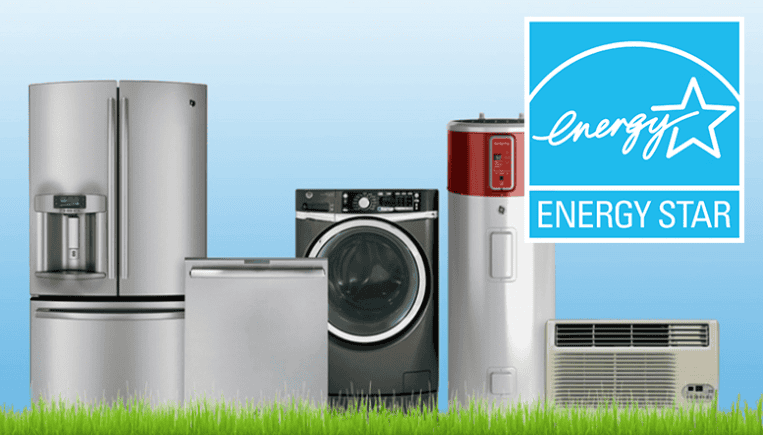
- Upgrade appliances: ENERGY STAR certified models use 20 – 30% less energy for daily tasks than standard models, without compromising on quality.
Track Your Energy Use and See the Savings
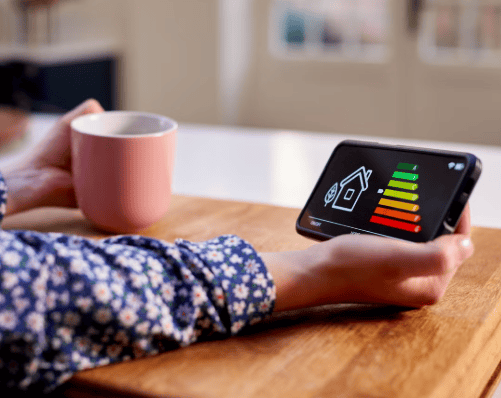
Monitoring your energy consumption is key to maintaining long-term savings. Many utility companies offer online portals that let you track usage, detect trends, and identify areas for improvement. By knowing what you use and when, you can make smarter energy decisions and maximize winter cost savings.
Make This Winter Your Most Energy-Efficient Yet
Winter doesn’t have to mean sky-high heating bills. With a few strategic changes, you can lower your energy use and enjoy a cozy home all season, while potentially putting hundreds of dollars back in your wallet.
Start making energy efficiency a priority today – your home, your finances, and the planet will thank you!